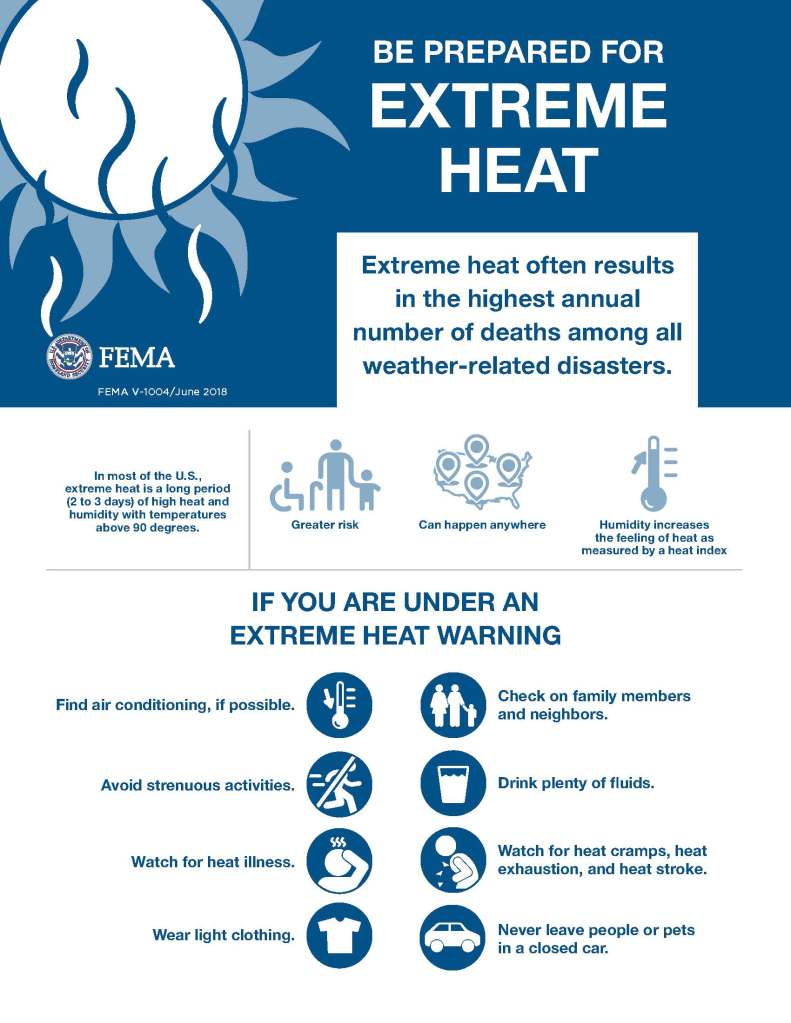
Extreme heat is a period of high heat and humidity with temperatures above 90 degrees for at least two to three days. In extreme heat your body works extra hard to maintain a normal temperature, which can lead to death. Extreme heat is responsible for the highest number of annual deaths among all weather-related hazards.

Older adults, children and people with certain illnesses and chronic conditions are at greater risk from extreme heat.

Humidity increases the feeling of heat.
Before Extreme Heat
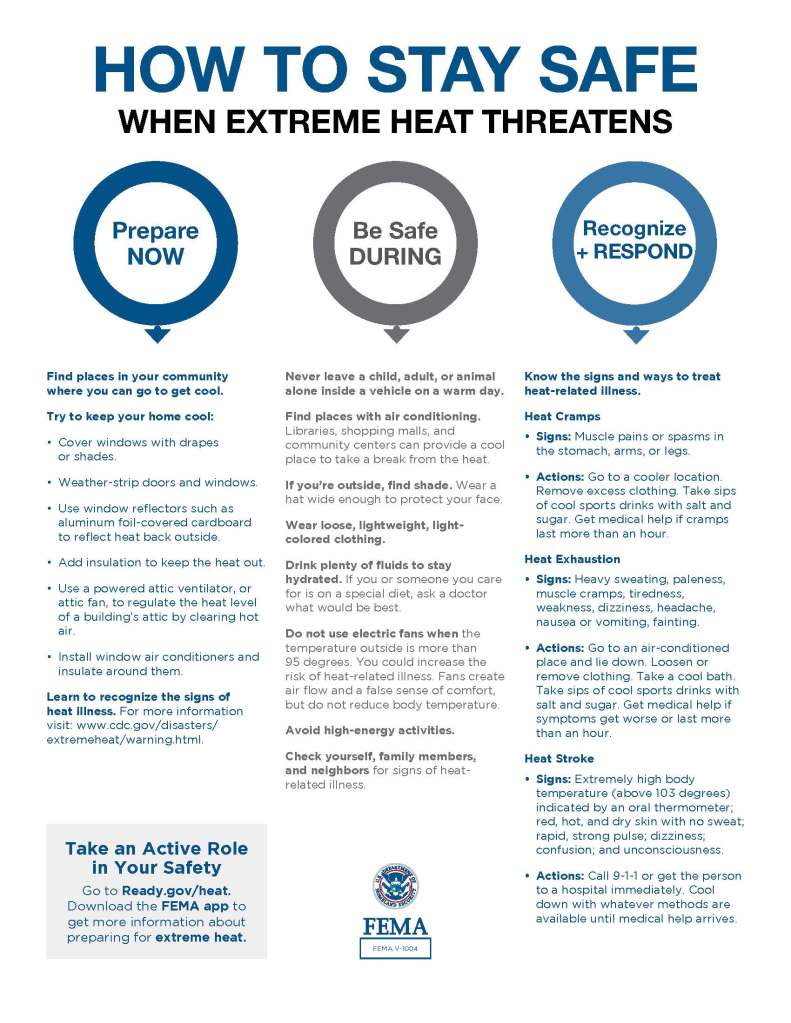
- Learn to recognize the signs of heat illnesses.
- Do not rely on a fan as your primary cooling device. Fans create air flow and a false sense of comfort, but do not reduce body temperature or prevent heat-related illnesses.
- Identify places in your community where you can go to get cool such as libraries and shopping malls or contact your local health department to find cooling options in your area.
- Cover windows with drapes or shades.
- Weather-strip doors and windows.
- Use window reflectors specifically designed to reflect heat back outside.
- Add insulation to keep the heat out.
- Use a powered attic ventilator or attic fan to regulate the attic temperature by removing hot air.
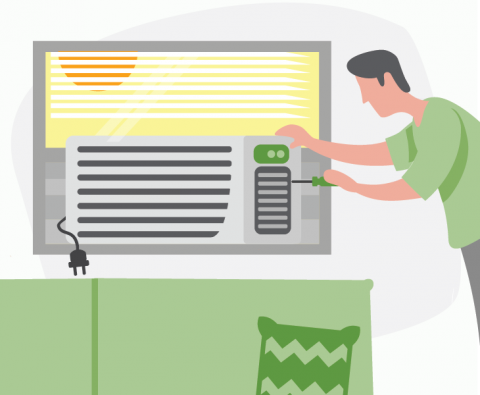
- Install window air conditioners and insulate around them.
- If you are unable to afford your cooling costs, weatherization or energy-related home repairs, contact the Low Income Home Energy Assistance Program (LIHEAP) for help.
During Extreme Heat
Image
- Never leave people or pets in a closed car on a warm day.
- If air conditioning is not available in your home find a cooling center.
- Take cool showers or baths.
- Wear loose, lightweight, light-colored clothing.
- Use your oven less to help reduce the temperature in your home.
- If you’re outside, find shade. Wear a hat wide enough to protect your face.
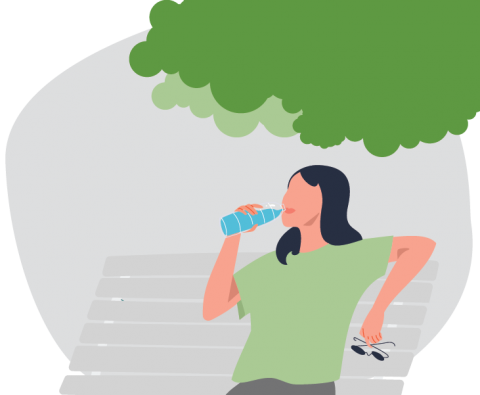
- Drink plenty of fluids to stay hydrated.
- Avoid high-energy activities or outdoor work during midday heat if possible.
- Check on family members, older adults and neighbors.
- Watch for heat cramps, heat exhaustion and heat stroke.
- Consider pet safety. If your pets are outside make sure they have plenty of cool water and access to comfortable shade. Asphalt and dark pavement can be very hot to your pet’s feet.
- Heat waves may cause you to lose power. Visit Power Outages to learn how to stay safe.
Heat-Related Illnesses
Know the signs of heat-related illnesses and ways to respond. If you are sick and need medical attention, contact your healthcare provider for advice and shelter in place if you can. If you are experiencing a medical emergency call 9-1-1.
Get more detailed information about heat-related illnesses from the CDC and National Weather Service.
Image
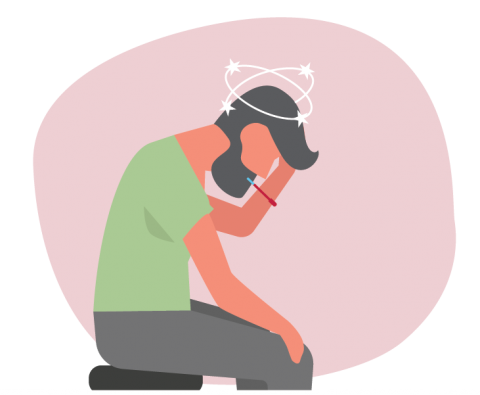
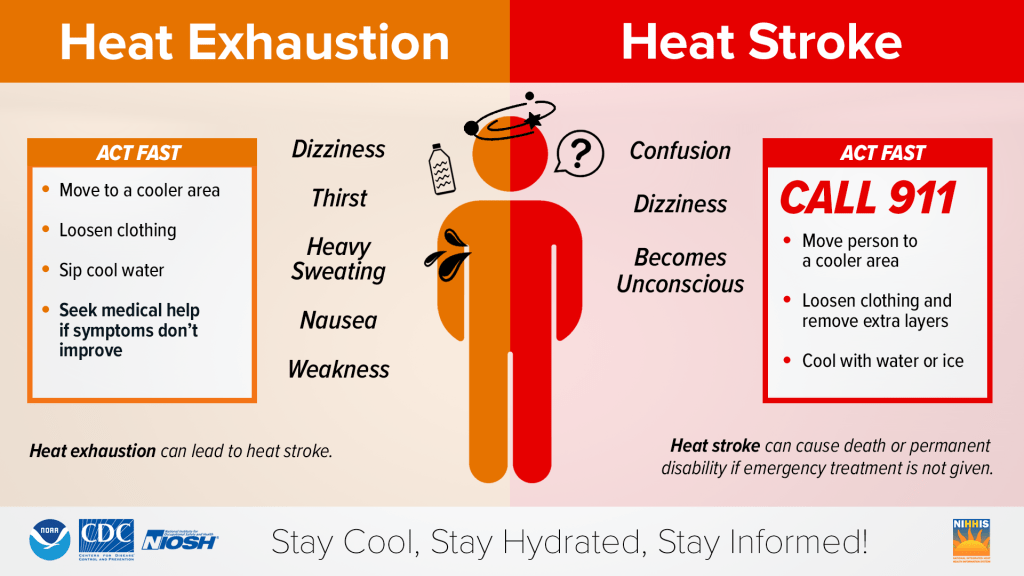
HEAT STROKE
- Signs:
- Extremely high body temperature (above 103 degrees F)
- Red, hot and dry skin with no sweat
- Rapid, strong pulse
- Dizziness, confusion or unconsciousness
If you suspect heat stroke, call 9-1-1 or take the person to a hospital immediately. If possible, move the person suffering from heat stroke into a cool, shaded area. Remove any outer clothing. Place a cold, wet cloth or ice pack on the head, neck, armpits, and groin. Alternatively, soak the person’s clothing with cool water. Elevate their feet.
Image
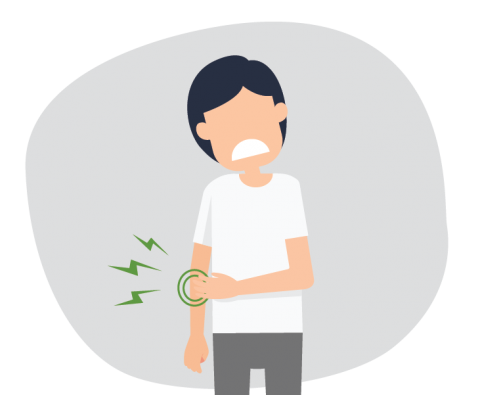
HEAT CRAMPS
- Signs: Muscle pains or spasms in the stomach, arms or legs
Image
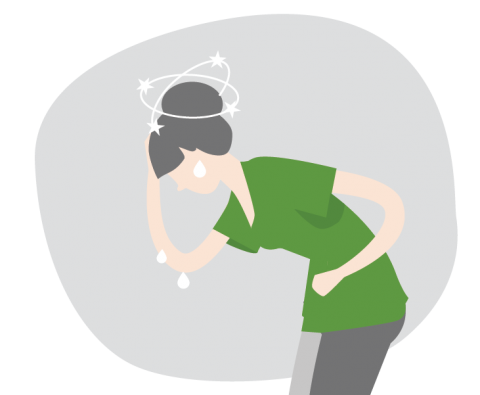
HEAT EXHAUSTION
- Signs: Heavy sweating, paleness, muscle cramps, tiredness, weakness, fast or weak pulse, dizziness, headache, fainting, nausea, vomiting
If you have signs of heat cramps or heat exhaustion, go to a cooler location and cool down by removing excess clothing and taking sips of sports drinks or water. Call your healthcare provider if symptoms get worse or last more than an hour.
Summer Break
While the kids are home for the summer, get the whole family prepared.
Image
- Make a family communication plan and include the whole family.
- Practice evacuation plans and other emergency procedures with children on a regular basis.
- Teach kids when and how to call important phone numbers like 9-1-1.
- Make sure the kids have an emergency contact person and know how to reach them.
- Create a family password or phrase to prevent your child from going with a stranger.
- Keep the kids occupied with online emergency preparedness games.
- Download the free Prepare with Pedro activity book to help kids learn to prepare.
- Decide on a family meeting place you can go if separated.
HEAT ILLNESS CAN KILL. PREVENTION STRATEGIES AND RAPID RESPONSE ARE CRITICAL
- The facts about extreme heat:
- Extreme heat causes more deaths than from hurricanes, lightning, tornadoes, floods, and earthquakes combined.
- Heat related injuries are preventable.
- Dehydration contributes to heat injury.
- Some people are more likely to get heat related injuries than others.
I-PREPARE
Increasing Personal Readiness, Enhancing Preparedness, Affecting Resilience in Emergencies
Prepared People Save Lives.
Stay Safe in Extreme Heat and Know Your Plan:
If it’s very hot, these steps help keep you and the people you support safe.
Review this Extreme Heat Safety Social Story ahead of time to consider steps to be safe.
Build Your Kit:
3 things to do now
- Find a cool place: Identify a nearby cooling location (home Air Conditioner (AC), community center, library).
- Keep medicines cool: Store medicines as directed; ask your provider if you need help keeping meds at the right temperature.
- Stay hydrated & check often: Drink water regularly; check on people who are older, have health issues, or take certain medicines. For more Extreme Heat Tips at Ready PA:
Extreme Heat | Ready PA | Commonwealth of Pennsylvania
Seasonal Tips:
Warning signs of heat illness
Heavy sweating, weakness, dizziness, nausea, headache, fainting.
If someone is confused, has a very high temperature, or passes out — call 911 immediately.
What to pack for a heat day
Water bottle; extra medications; small fan; list of emergency contacts; phone charger.
Smart tips for families
Plan breaks during events; go earlier in the day; bring a hat and water.
If you need help getting to a cooling location, contact your Administrative Entity (AE) or Supports Coordination Organization (SCO).
Life threatening emergency CALL 911.
2026 Pennsylvania Cooling Center Guide
Cooling centers are designated, air-conditioned public locations where anyone can go to escape dangerous outdoor temperatures. They typically operate during the hottest hours of the day, offering a safe environment, drinking water, and sometimes additional community support services.
Types of Cooling Center Locations
During a heatwave, the following locations typically open their doors to the public as relief stations in your local community:
- Senior Centers (many welcome non-members during extreme heat)
- Public Libraries
- Community Pools and Spraygrounds
- Local Recreation Centers and Places of Worship
How to Find a Center Near You
Because operations vary by weather severity, please confirm local hours and rules before traveling. You can find real-time listings through the following resources:
Call PA 211: Dial 2-1-1 on your phone to speak with a representativeVisit Online: Search the official Pennsylvania 211 Database.
Please Note: The online PA 211 map is not an all-inclusive list. Local municipalities and grass-roots groups often open additional emergency sites that may not appear on the central map or in your local news listings.
Additional Regional Resources
For localized information, regional guides, and pool schedules, please consult your local news listings. If you are experiencing severe heat-related symptoms, please call 911 immediately. If you need a ride to a cooling center, you can dial 211 or contact your local support system.
Prepared People Save Lives.
NEVER leave anyone in a parked vehicle, even with window open, for any amount of
time in hot weather.
What to do if you see any of the signs of heat exhaustion or stroke:
- Respond quickly to heat related symptoms. Move the person to a cooler area. If possible,
move indoors into air conditioning, if not then move into the shade. - Remove any heavy clothing.
- Cool the person with water either by using wet cloths or towels. Stay with the person.
Don’t leave them unsupervised. - If the person shows mild symptoms of heat exhaustion, then give them fluids to drink. Do
not do this if they are confused or lethargic. - REMEMBER, if a person shows symptoms of heat stroke or is at risk and has heat
exhaustion symptoms, call 911
Additional Resources
Centers for Disease Control and Prevention (CDC)
- CDC About Heat and Your Health
- Keeping Cool in a Heat Wave
- Heat & Heat-related Illness
- Clinical Overview of Heat
- Protect Yourself From the Dangers of Extreme Heat
Federal Emergency Management
Agency (FEMA)
American Red Cross
National Weather Service (NWS):
Pennsylvania Department of Health
(PA DOH):
- Ready for PA Extreme Heat
- Heat-Related Illness (PA DOH)
- Extreme Heat Preparedness (PA DOH) [PDF]
- Extreme Heat in Pennsylvania Story Map (PA DOH)
Autism / Special Needs Related
- Preparing for Extreme Heat Social Story (ASERT PA)
- Video: Summer Heat Safety (AID in PA)
Other Resources
Created: 07.25.2026 Updated 08.03.2026

